
China Solar Product Exports Rise 24.3% in H1 2026 as Philippines Becomes Top Single Module Market
Date: 2026-08-14 | Asia
China’s exports of solar products – wafers, cells and modules – climbed 24.3 percent year on year to about $17.18 billion in the first half of 2026 even as domestic installation volumes cooled sharply, according to data released by the China Photovoltaic Industry Association (CPIA) at its mid-year review conference on July 23. The Philippines has become China’s largest single overseas market for solar modules for the first time, reflecting how surging Asian electricity prices tied to Middle East tensions are reshaping regional energy demand.
Key Highlights:
- H1 exports rebound: Wafer, cell and module exports totaled about $17.18 billion in H1 2026, up 24.3 percent year on year, per CPIA data presented at the 2026 H1 review and H2 outlook conference on July 23.
- Module value up despite lower volume: Module export value rose 14 percent while volume fell 2.5 percent – the first value gain over volume since the H2 2023 deep adjustment – supported by higher overseas ASPs for premium N-type products.
- Cell exports accelerate: Cell shipments grew 36.8 percent year on year, lifting cells to nearly 20 percent of total PV export value as overseas wafer and cell capacity expansion pulled in Chinese supplies.
- Philippines as #1 single market: China module exports to the Philippines doubled in the first five months, with March alone up 262 percent year on year, making the Philippines China’s largest single overseas module market in 2026, surpassing Pakistan and trailing only the Netherlands (a European transshipment hub). Cumulative Philippine buyer spending exceeded $500 million.
- JinkoSolar leads: JinkoEnergy sold about 1.5 GW of modules in the Philippines in 2025 with more than 25 percent market share and shipped nearly 1 GW in H1 2026; high-end N-type modules suited to tropical climates were the fastest-growing line.
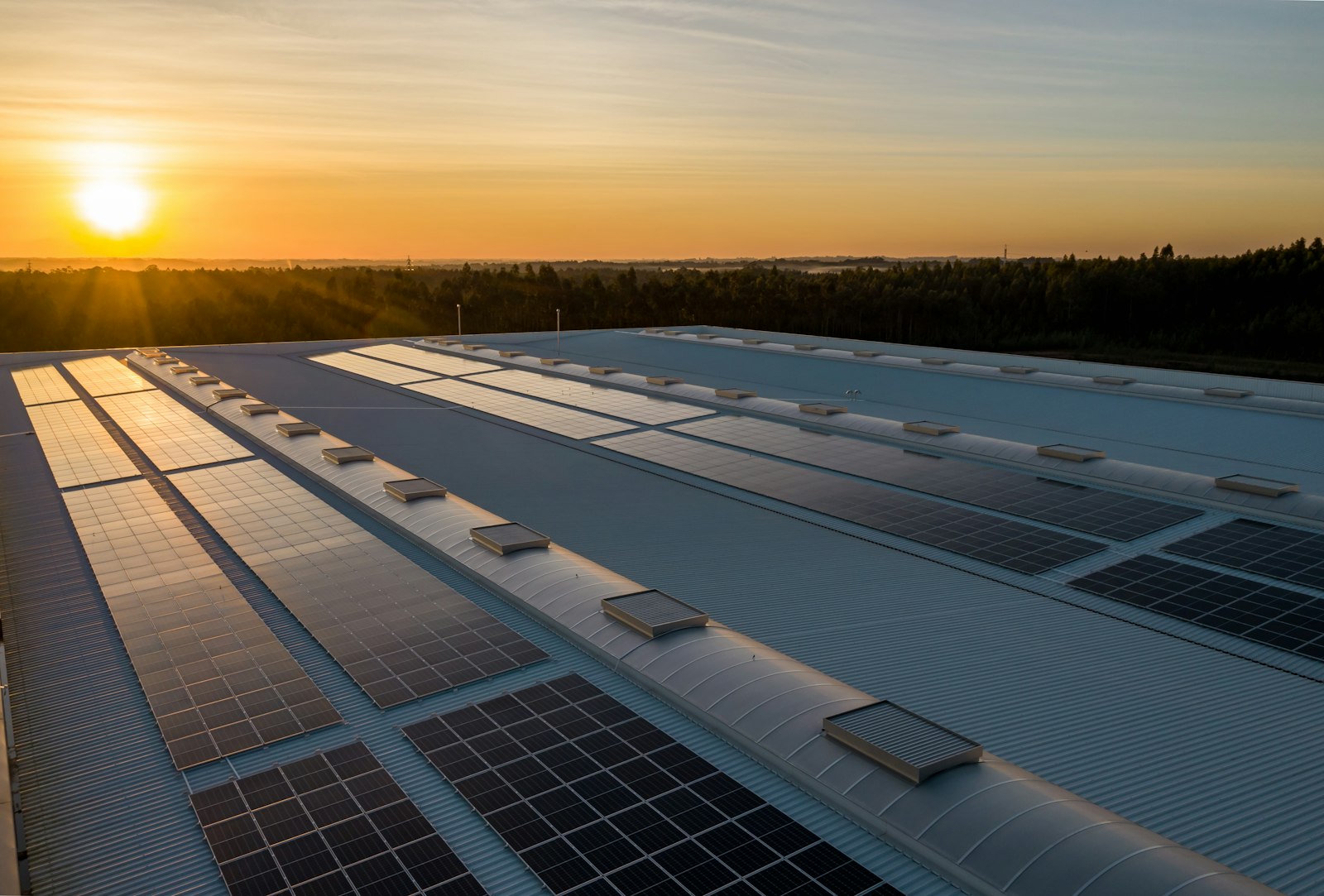
Market Context:
Disruption to oil and gas markets stemming from Middle East tensions has lifted retail electricity prices across several Asian economies, prompting households and businesses in the Philippines to fast-track rooftop and commercial solar adoption. Chinese suppliers benefit from the world’s lowest-cost and most technologically advanced solar products, with China supplying roughly 80 percent of global output. Strong demand in the Philippines helps absorb part of China’s domestic production surplus at a time when H1 2026 new installations fell to 72.07 GW, down roughly 66 percent from an unusually high H1 2025 base of 212 GW. Philippine authorities have proposed national certification for solar systems and components, but unlike the US and EU, the country has not signaled broader trade barriers against Chinese products. National Energy Administration data show that, as of end-June 2026, China’s installed PV capacity reached 1.27 billion kW and is on track to surpass coal-fired generation as the country’s largest power source this year.
iExcellents continues to monitor global trade trends to serve our clients better.